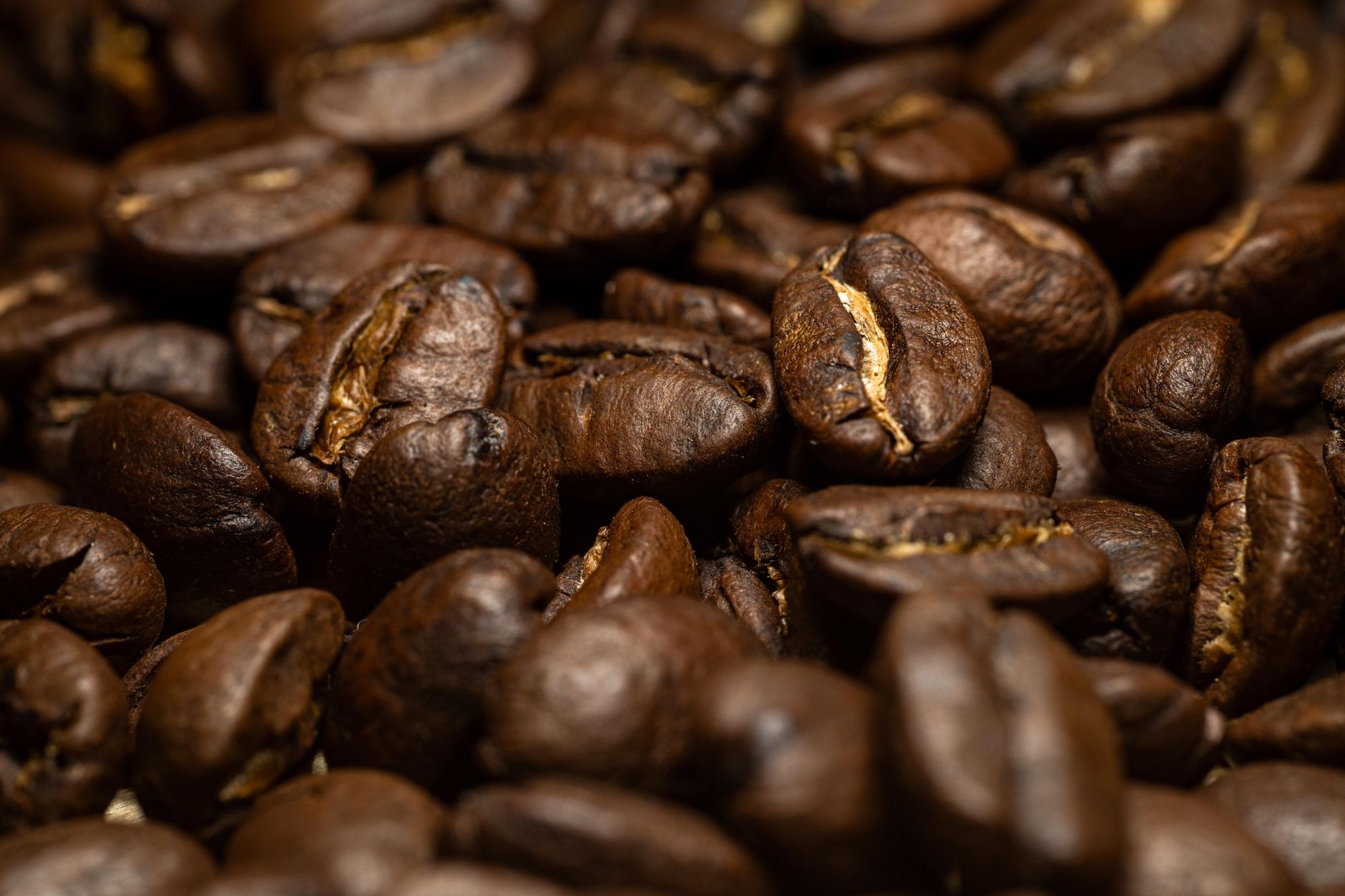
If Neapolitan coffee has a signature, it’s the dark roast. It’s what gives that intense, chocolatey, creamy cup you recognize from the first sip. Here’s what it is and how to spot it.
Dark, by tradition
Southern Italy — and Naples in particular — has historically roasted darker than the North. The result is a full-flavored coffee, with notes of chocolate, licorice, and tobacco, low acidity, and plenty of body. The beans are darker and slightly oily on the surface.
The role of robusta
Classic Neapolitan blends pair arabica with a share of robusta, which holds up well under a dark roast and adds body, a lingering crema, and caffeine. It’s an integral part of the flavor identity, not a shortcut.
Dark vs. light
- Dark (Neapolitan): full bitterness, chocolate, dense crema, low acidity.
- Light (specialty): lively acidity, fruity/floral aromas, lighter body.
It’s not a competition: they’re two different worlds. The Neapolitan style seeks intensity and roundness; specialty coffee seeks aroma and clarity. → Neapolitan espresso vs. regular espresso.
How to recognize a Neapolitan roast
- Dark, glossy (oily) beans.
- In the cup: chocolate, body, crema, low acidity.
- On the label: often “dark roast,” “Neapolitan,” with robusta in the blend.
Storage
Dark, oily beans oxidize faster: keep them in an airtight container, away from light and heat, and grind just before brewing. Avoid the fridge (moisture and odors).
Frequently asked questions
Why does Naples roast dark? Southern tradition, and a search for body, chocolate, and crema, often with robusta.
Are oily beans a defect? No: it’s typical of a dark roast. They just need to be stored well.
How should I store Neapolitan coffee? In an airtight container, dark, cool (not the fridge), ground just before brewing.