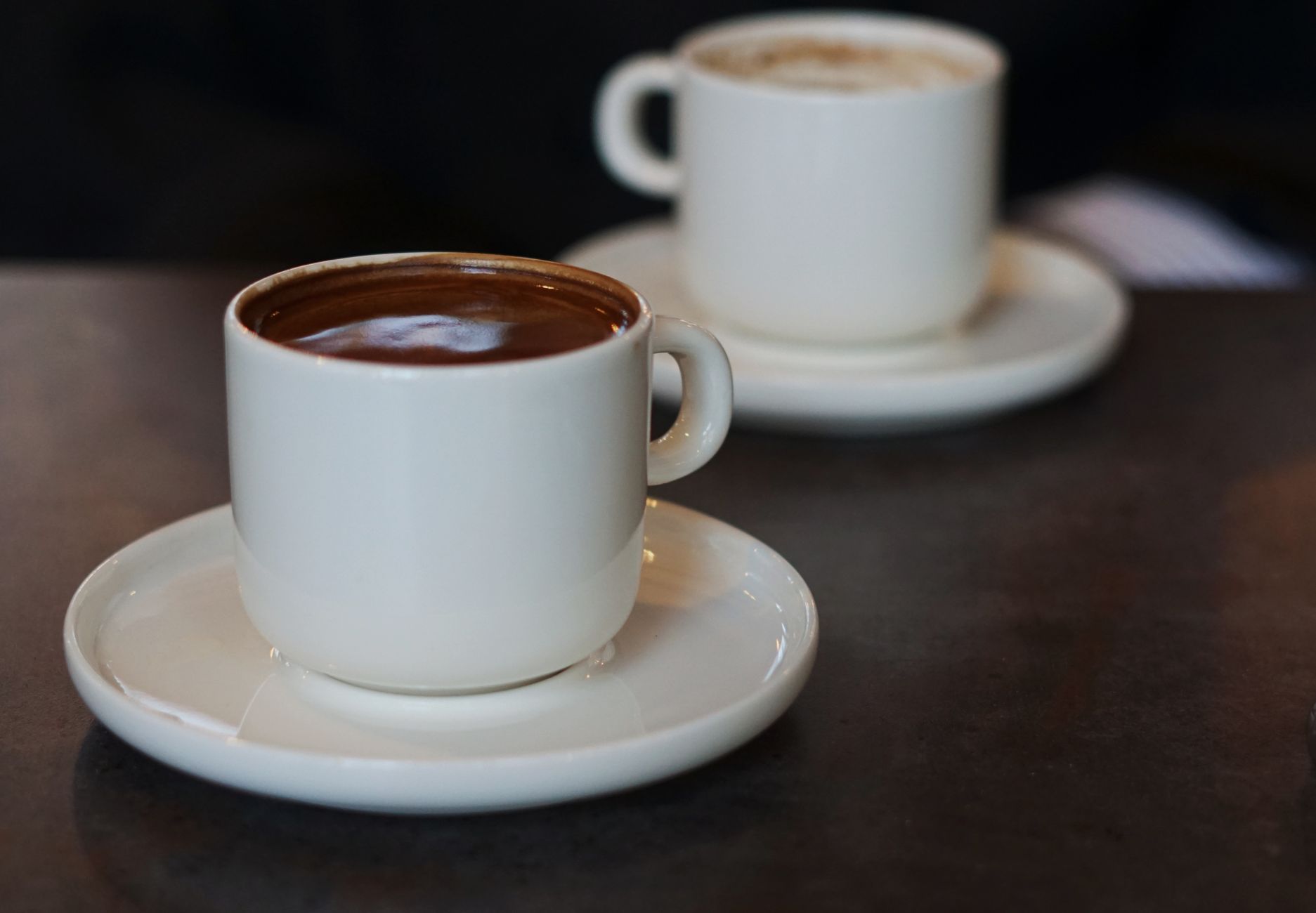
Is an espresso just an espresso? Not quite. The Neapolitan one is a precise idea of what a cup should be, different from an espresso from northern Italy or served internationally. Here’s where the differences lie.
The roast
- Neapolitan: dark, almost pushed to the limit. Notes of chocolate, licorice, tobacco. Dense, dark crema.
- “Regular”/northern: often lighter, with more noticeable acidity and fruity aromas.
The blend
- Neapolitan: almost always arabica + robusta, with robusta adding body, crema, and that caffeine “kick.”
- Specialty/northern: tends toward 100% arabica, cleaner and more aromatic.
Extraction and service
- Neapolitan: short (ristretto), in a scalding-hot cup, drunk on the fly, often already sweetened.
- “Regular”: variable extraction, less ritual in the service, sugar on the side.
Side by side
| Neapolitan | ”Regular” | |
|---|---|---|
| Roast | Dark | Medium/light |
| Blend | Arabica + robusta | Often 100% arabica |
| Taste | Chocolate, full bitterness | More acidic, fruity |
| Extraction | Short (ristretto) | Variable |
| Sugar | Often by default | On the side |
Which one is “better”?
Neither, absolutely. They’re two philosophies. The Neapolitan version goes for intensity, body, and ritual; specialty coffee goes for clarity and aroma. We personally like coffee with a slightly scorched taste — it’s unusual, and I can’t quite explain it. We call it “arruscato,” which is like saying toasted, charred.
Frequently asked questions
Why is Neapolitan espresso darker? A heavier roast and the use of robusta in the blend.
Is it stronger than a regular espresso? Often yes, in body and caffeine, thanks to the robusta and the short extraction.
Why do they sweeten it by default? It’s the local habit; it balances the intensity of the dark roast.