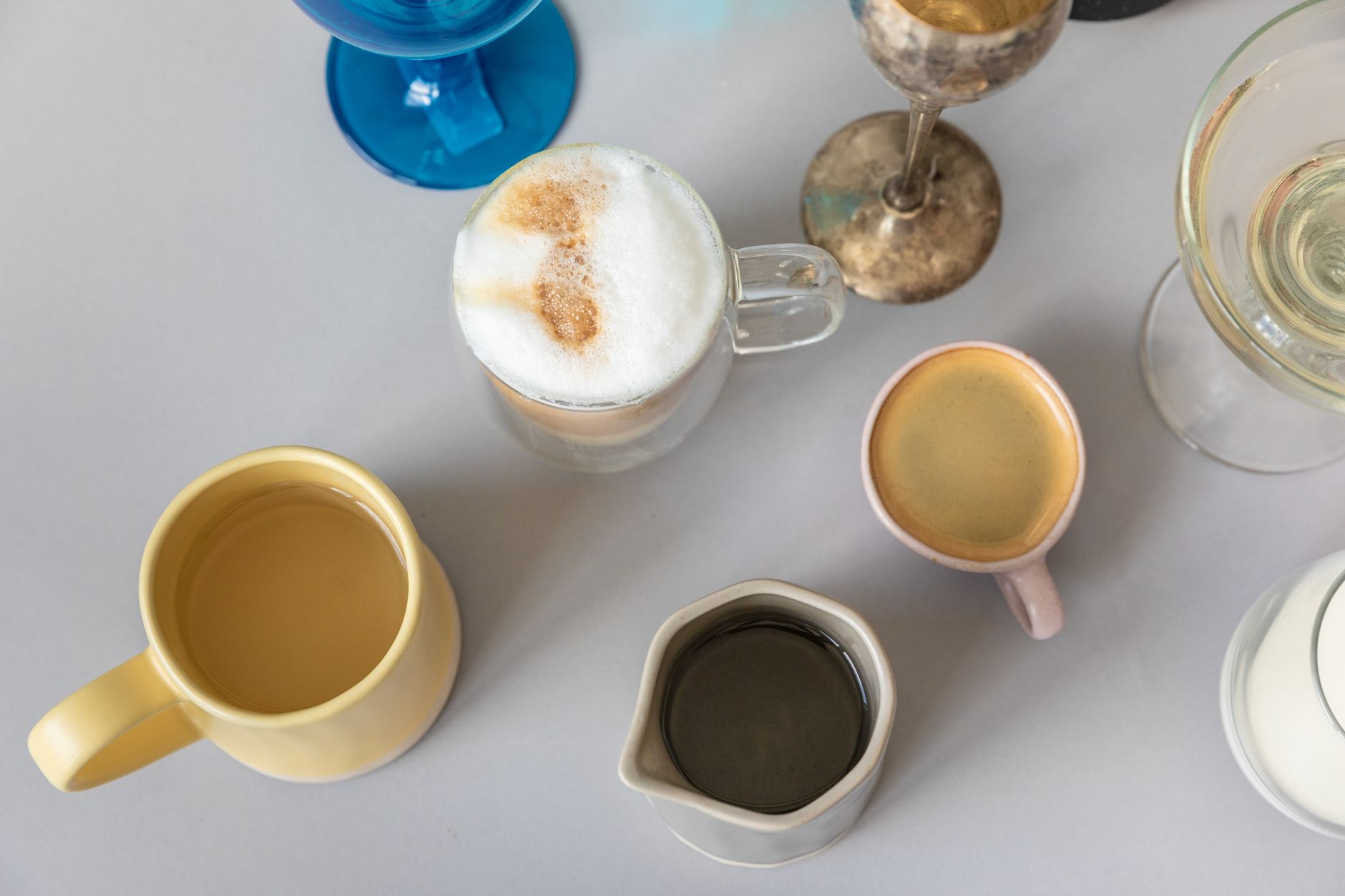
“Espresso” and “American coffee” conjure up two different worlds. But the real differences aren’t the ones people usually assume — starting with caffeine. Here’s the honest comparison.
The method
- Espresso: hot water forced under pressure through finely ground coffee, in a few seconds. A small, concentrated cup, with crema.
- American coffee (drip/filter): water passing by gravity through a bed of coarser coffee, over a few minutes. A large, diluted cup.
Strength and taste
Espresso is concentrated and intense in a small volume; American coffee is more diluted and lighter to sip, but people drink far more of it.
Caffeine (the surprise)
Counterintuitively, a cup of filter coffee often contains more caffeine than an espresso, because the volume is much larger. Espresso is more concentrated per milliliter, but the cup is tiny.
Italian-style “American” coffee
In Italy, an “americano” is an espresso lengthened with hot water: it arose as a compromise, meant to serve foreigners something closer to their own coffee, starting from an espresso base.
Culture
Espresso is quick, social, taken at the counter; American coffee accompanies long stretches of time, the mug that lasts, the constant refill. Two different ways of being in the world. When we travel, we honestly prefer instant Nescafé, though we like Starbucks too — just don’t call it coffee, please.
Frequently asked questions
Which is stronger, espresso or American coffee? Espresso is more concentrated per milliliter, but a mug of filter coffee can have more total caffeine.
What is an “americano” in Italy? An espresso lengthened with hot water.
Why is espresso so small? Because it’s concentrated: built for intensity and speed, not volume.